Across the country, communities are seeing powerful results when violence is addressed through proven, public health, community-based approaches. Recent reporting from Philadelphia, New York City, and the Pittsburgh metro area highlights how comprehensive prevention efforts — including programs rooted in the Cure Violence approach — are helping drive meaningful, life-saving change.
Together, these stories show what’s possible when cities invest in trusted community organizations, street outreach, and strategies that prevent violence before it occurs.
Philadelphia: Leading the Nation in Shooting Reductions
 Philadelphia recently recorded the largest reduction in shootings of any major U.S. city, a milestone that underscores the power of sustained community-based prevention.
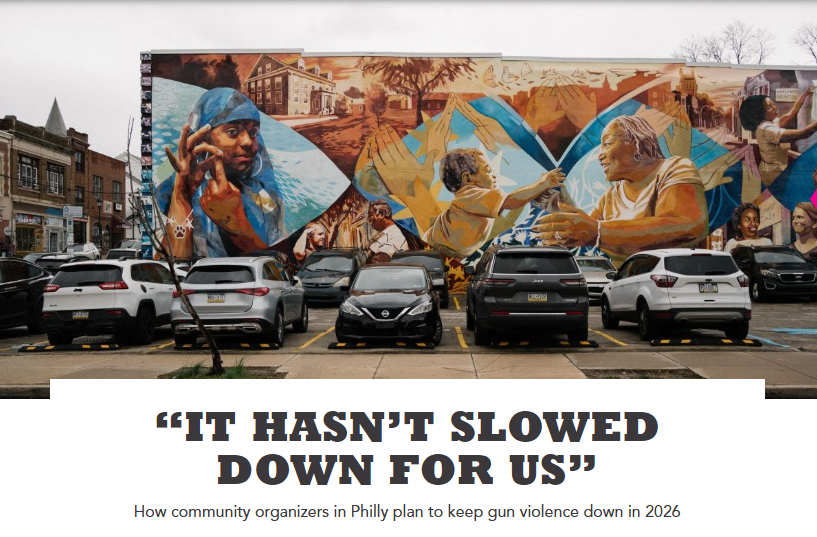
In The Philadelphia Citizen, community leaders emphasized that grassroots organizations and outreach workers have remained deeply engaged in neighborhoods most affected by violence — even as overall shootings declined. “The community groups haven’t slowed down,” the article notes, highlighting how street outreach teams continue daily work to mediate conflicts, mentor young people, and connect individuals to critical supports.
These efforts focus on building trust, addressing immediate risks, and preventing retaliation — all core elements of the Cure Violence public health approach. Rather than pulling back after early success, Philadelphia’s community partners are doubling down, recognizing that long-term safety requires consistent investment and presence.
👉 Read more: https://thephiladelphiacitizen.org/community-groups-havent-slowed-down/
New York City: Community-Based Prevention at the Heart of Public Safety
In New York City, a renewed focus on community-led violence prevention is generating optimism across neighborhoods.
According to Amsterdam News, Mayor Zohran Mamdani is placing Cure Violence-style programs — including violence interrupters and Crisis Management System organizations — at the center of his strategy to reduce gun violence.
The article highlights how these trusted community teams work directly in high-impact areas to de-escalate conflicts, intervene in cycles of retaliation, and provide consistent outreach to those most at risk. One community advocate shared that expanding these programs reflects “a real commitment to what’s been proven to work — stopping violence before it happens.”
This emphasis on prevention, trust, and community leadership aligns directly with the Cure Violence model and represents a significant shift toward public health solutions as a core component of public safety.
👉 Read more: https://amsterdamnews.com/news/2026/01/29/will-mamdani-hit-his-target-on-gun-violence-prevention/
Pittsburgh Metro Area (Sto-Rox): A Historic Milestone
One of the most striking examples of progress comes from Sto-Rox in Allegheny County, part of the Pittsburgh metro area.
In 2025, the community recorded zero gun-related homicides — the first year without a reported homicide since 2010. Just four years earlier, Sto-Rox saw 11 homicides, followed by eight in 2024, according to Allegheny County police data.
The West Hills Gazette attributes this dramatic turnaround to years of collaborative prevention work that brought together community organizations, outreach teams, workforce programs, and public health strategies. “The coordinated efforts of community partners have dramatically reduced gun violence and homicides in the Sto-Rox area,” the article reports.
Cure Violence is part of this comprehensive approach, contributing proven conflict interruption and outreach strategies designed to stop violence before it spreads — working alongside local leaders to build safer, healthier communities.
👉 Read more: https://westhillsgazette.com/collaborative-efforts-in-sto-rox-dramatically-reduce-gun-violence-homicides/
What These Success Stories Show
From major cities like Philadelphia and New York to smaller communities in the Pittsburgh region, these stories share a clear message: violence is preventable.
When communities are supported with evidence-based, public health approaches — rooted in trust, outreach, and prevention — shootings and homicides can decline dramatically.
The Cure Violence approach has helped shape many of these efforts by treating violence as a contagious issue that can be interrupted, prevented, and ultimately reduced. By focusing on those most at risk, stopping retaliation, and changing community norms around violence, Cure Violence programs have demonstrated measurable impact across cities in the U.S. and around the world.
These recent successes are not isolated — they reflect a growing movement toward prevention-centered public safety.
As communities continue to invest in comprehensive, community-led solutions, the progress seen in Philadelphia, New York City, and Sto-Rox offers both hope and proof: with the right strategies, safer futures are within reach.